
Pakistan’s 14 High Points
Fourteen points, one pattern. Pakistan showed up early, stayed quiet, kept talking, and refused to quit.

When the first phase of attacks on Iran kicked off, most capitals went quiet and reached for statements. Pakistan reached for the phone. It was among the first countries to call for peace talks, setting the tone before the dust even settled.
From there it was a tightrope walk. Pakistan condemned the use of force without picking sides, a delicate balancing act on an already thin diplomatic rope. And while no other country was willing to step in, let alone mediate, Islamabad opened backdoor channels to both Washington and Tehran. Quiet calls, quieter visits, zero cameras. That’s how it offered and actually convinced both capitals to at least start the peace conversation.
Pakistan didn’t pretend to be neutral on everything. It openly condemned Israel for trying to scuttle a fragile but critical Tehran-Washington engagement, and for the brutalities in Gaza and later Lebanon that kept aggravating an already vitiated equation. That also meant calling out the thickening Modi-Netanyahu axis of evil, but always sticking to principle over comfort.
All this while managing clear and present dangers at home — India, the Taliban, terrorism — and still spending endless hours navigating the talks. When Trump and Iranian leaders talked themselves into tight corners, Pakistan kept offering off-ramps. Not one, but several. Each time rhetoric boxed them in, Islamabad laid down an exit, which is why the process never fully collapsed.
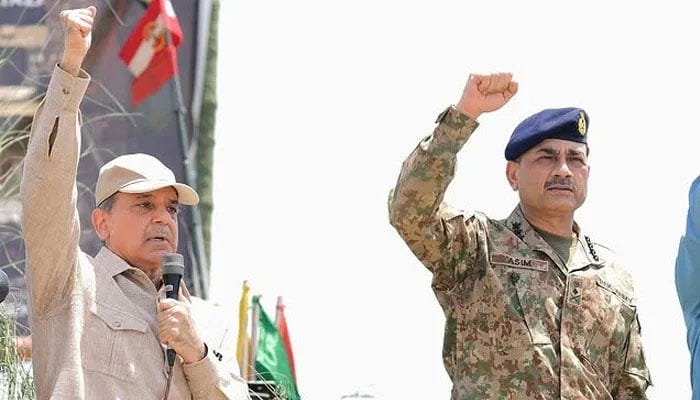
The steps got unusual fast. Military brass spent days in Tehran. FM Munir sent a letter to Iran’s Supreme Leader. PM Shehbaz publicly told Trump to hold his horses. It wasn’t conventional diplomacy, but it kept everyone on the right side of escalation. Pakistan also moved beyond hosting — it assisted in formulating mutually-acceptable statements and even the MOU narration, finding language both sides could live with.
Throughout, Islamabad allowed new assistance in mediation without hogging the show. More tracks, more mediators, more chances. In an environment where leaks, fake news, and “insider” accounts became a daily routine, Pakistan didn’t leak anything. Not once. It kept a low public profile while doing most of the heavy lifting.
That patience showed up again when reconciling conflicting interests between the UAE and Iran, absorbing rude, crude, even outrageous bursts of policy anger from traditional friends without losing its cool. And when exhaustion got the better of Washington and Tehran, Pakistan calmed nerves on both ends.
Finally, it adjusted to stakeholders’ positions — including e-signing — without becoming a stickler for detail. From start to finish the line was consistent: the deal is the real goal, the path is flexible. Fourteen points, one pattern. Pakistan showed up early, stayed quiet, kept talking, and refused to quit.
So right Pakistan proved it. Steadfast through storm and strain. Pakistan turned tension into trust.
True resilience shown calm when it counted measured in its response when it mattered the most.
Ur today's Punjabi vlog is informative